
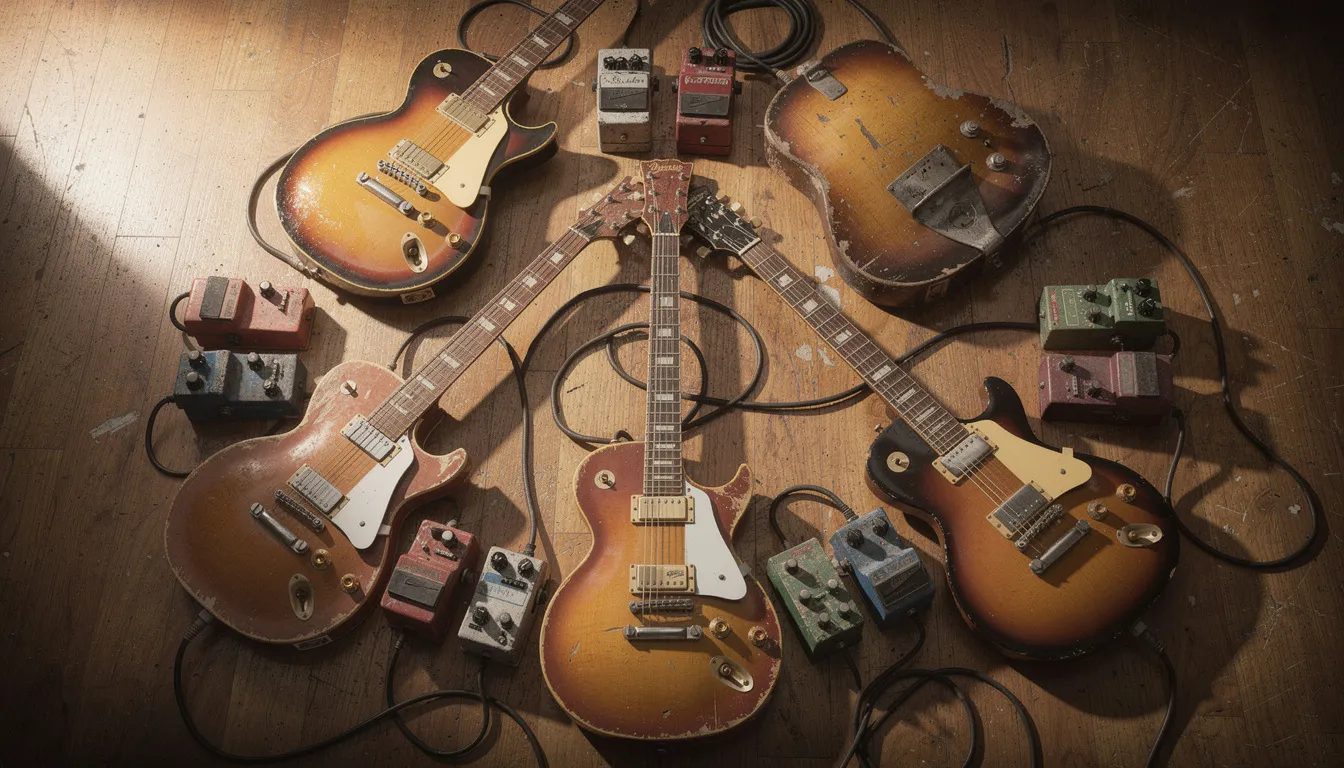
Alternative rock is guitar-based rock music that grew from punk, post-punk, and indie scenes before dominating the early-to-mid 1990s. Between roughly 1991 and 1996, alt rock—including grunge and Britpop—became the dominant form of rock on MTV, radio stations, and the Billboard charts. The sound is defined by distorted guitars, introspective or socially critical lyrics, and a DIY, anti-corporate attitude inherited from punk rock. Today, “alternative” functions as both a historical label (think Nirvana, R.E.M., Radiohead) and a marketing category on Spotify and Apple Music playlists where the term describes everything from atmospheric indie to genre-blending pop. For independent artists in hip-hop, trap, drill, and Afrobeats, alternative rock’s legacy offers a blueprint: build your audience outside the major labels, embrace experimentation, and use tools like online beat marketplaces and AI-powered production services instead of waiting for corporate gatekeepers to open the door.
Origins and early influences (1960s–1980s)
Alternative rock music didn’t appear overnight in 1991. It evolved from underground currents that began stirring in the late 1960s, drawing on experimental, rebellious, and deliberately uncommercial approaches to rock music.
Proto-punk and experimental acts of the late 1960s and early 1970s laid the spiritual foundation. The Velvet Underground combined avant-garde noise with deadpan vocals about urban alienation. The Stooges brought raw, aggressive energy that stripped away psychedelic excess. Syd Barrett-era Pink Floyd explored darker, more surreal territory. These artists rarely achieved mainstream success, but their formal daring and outsider status made them models for generations of alternative musicians.
The 1970s punk explosion—Sex Pistols, The Clash, Ramones—crystallized rebellion into a movement. Punk’s DIY ethos rejected the arena rock spectacle of Led Zeppelin and the Beatles, favoring three-chord simplicity, faster tempos, and anti-authoritarian lyrics. This rejection of mainstream rock conventions set the stage for everything that would later be called “alternative.”
By the late 1970s and early 1980s, post-punk and new wave pushed rock into darker, more experimental directions. Joy Division channeled existential dread through motorik rhythms. Talking Heads merged art-school concepts with funky grooves. Siouxsie and the Banshees pioneered gothic rock aesthetics. The Cure drifted between jangly pop and atmospheric gloom. These bands proved that punk’s energy could fuel sophisticated, emotionally complex music.
In the United States during the early 1980s, this loosely connected scene was often called college rock because bands circulated through campus radio stations rather than commercial Top 40. Independent record labels like SST Records, Rough Trade, 4AD, and Dischord built distribution networks outside major record labels, allowing alternative music to survive without corporate backing. Fanzines and word-of-mouth replaced marketing budgets.
These underground distribution methods are an early analog to how modern artists now use streaming platforms, beat marketplaces, and AI-driven production tools instead of traditional gatekeepers.
United States underground in the 1980s
US alternative rock in the 1980s lived almost entirely outside MTV and commercial FM rock stations. College radio provided the primary exposure for bands that didn’t fit the polished, synth-heavy mainstream.
R.E.M. formed in 1980 and released their debut LP “Murmur” in 1983, blending jangly guitar pop with cryptic, mumbled vocals. Violent Femmes dropped their self-titled debut the same year, mixing punk energy with acoustic folk instrumentation and darkly confessional lyrics. These rock bands carved out commercial niches without compromising their unconventional approaches.
Hardcore punk labels gradually expanded their rosters from straight aggression into more melodic, experimental territory:
| Label | Key Bands | Contribution |
|---|---|---|
| SST Records | Black Flag, Hüsker Dü, Minutemen | Bridged hardcore and melodic alternative |
| Dischord | Minor Threat, Fugazi (from 1987) | Maintained fiercely independent ethics |
| Homestead | Sonic Youth, Dinosaur Jr. | Championed noise rock and experimental sounds |
Hüsker Dü’s shift from hardcore to emotionally intense albums like “Zen Arcade” (1984) and “New Day Rising” (1985) specifically foreshadowed the alternative rock explosion of the following decade. Their blend of punk speed with pop melody and personal lyrics became a template for countless 1990s bands.
College radio charts and regional touring circuits allowed such bands to survive financially without hits, creating a sustainable ecosystem. By the late 1980s, artists like R.E.M. had signed to major labels (R.E.M. joined Warner Bros. in 1988), signaling that the majors were scouting alternative acts as the next commercial wave.
This dynamic—major labels courting underground scenes once they prove an audience—parallels how large distributors and streaming services today eye successful DIY rap and alternative artists who first build numbers on independent platforms.
Great Britain and Europe in the 1980s
The UK and European alternative scenes often had a more pop- and dance-influenced sound than many US counterparts, blending experimentation with accessible hooks.
Post-punk’s aftermath produced early gothic rock and darkwave. Bauhaus released “Bela Lugosi’s Dead” in 1979, creating a template for goth aesthetics. The Sisters of Mercy and The Cure’s early-1980s albums explored shadowy, atmospheric territory that influenced generations of musicians drawn to melancholy and drama.
The Smiths, formed in 1982 with their debut album arriving in 1984, became a central British alternative band. Johnny Marr’s intricate, jangly guitar style and Morrissey’s literate, barbed lyrics created a sound that felt distinctly English yet resonated worldwide. Their influence on indie rock remains profound.
The 1986 NME “C86” cassette captured the moment when jangly indie pop crystallized into a recognizable scene. Bands like The Pastels and early Primal Scream appeared on this landmark compilation, shaping the aesthetic sensibilities of later indie and alternative movements.
Shoegaze and noise pop emerged at the decade’s end:
- My Bloody Valentine released “Isn’t Anything” (1988), pioneering dense, feedback-heavy guitar textures
- The Jesus and Mary Chain’s “Psychocandy” (1985) buried pop melodies under walls of distortion
- Ride pushed atmospheric guitar experimentation further into the early 1990s
The Madchester scene around 1989–1991 blended acid house rhythms, hip-hop breaks, and guitar pop. The Stone Roses and Happy Mondays foreshadowed later crossovers between rock, dance, and rap, proving that genre boundaries were already becoming porous.
British tastemaker radio figures like John Peel and the UK music press (NME, Melody Maker) played crucial roles in bringing these acts to wider recognition, functioning differently from the US college radio system but achieving similar gatekeeping effects.
1990s: Mainstream breakthrough of alternative rock
The early 1990s marked the moment when alternative rock shifted from underground curiosity to the center of global popular music culture.
Major labels, influenced by the late-1980s success of R.E.M. and the buzz around Jane’s Addiction and Sonic Youth, began aggressively signing underground bands. The hunt for fresh sounds intensified as hair metal fatigue set in.
Grunge became the symbolic turning point. Seattle, Washington, and the Sub Pop record label defined what critics called the seattle sound—murky guitar tones, emotional intensity, and thrift-store aesthetics. This regional scene suddenly commanded international attention.
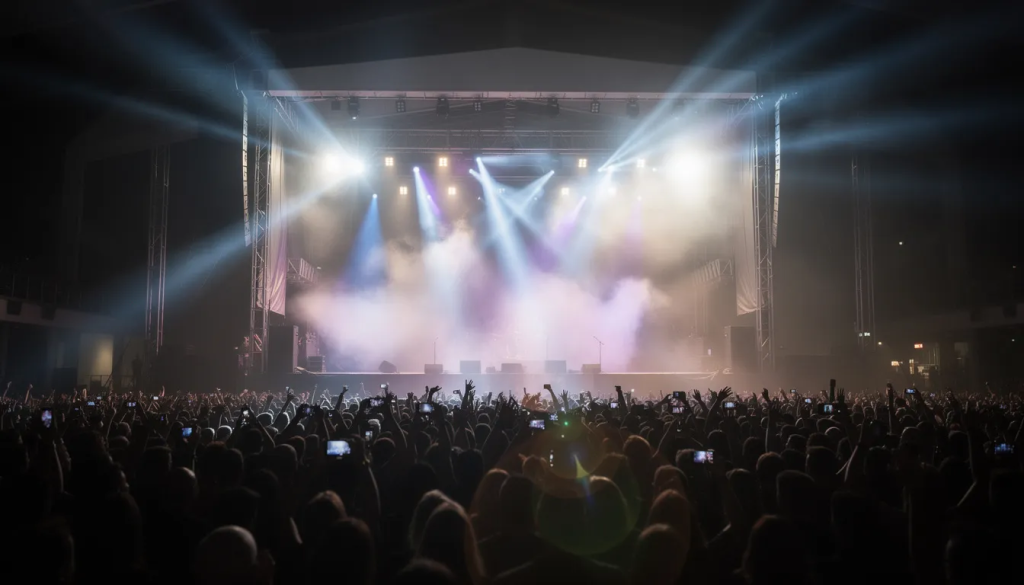
Nirvana’s “Smells Like Teen Spirit,” released in September 1991, and the album “Nevermind” (issued by DGC Records) dislodged Michael Jackson’s “Dangerous” from the US Billboard 200 top spot in early 1992. The album eventually sold over 30 million copies worldwide. Teen spirit had become mainstream.
Other key grunge bands followed:
- Pearl Jam released “Ten” in 1991, bringing arena-ready anthems to alternative rock
- Soundgarden’s “Badmotorfinger” (1991) fused hard rock heaviness with post-punk sensibilities
- Alice in Chains delivered “Dirt” (1992), exploring darker, sludgier territory
Lollapalooza, first held in 1991 and founded by Jane’s Addiction frontman Perry Farrell, became the traveling festival that symbolized alternative culture’s mainstream moment. The lineup mixed alternative rock, industrial, hip-hop, and more, demonstrating the genre’s umbrella nature.
The term “alternative” expanded throughout the decade:
| Subgenre | Key Artists | Chart Impact |
|---|---|---|
| Industrial rock | Nine Inch Nails | “Closer” became MTV staple |
| Pop punk | Green Day (“Dookie,” 1994), The Offspring | Multi-platinum success |
| Britpop | Oasis, Blur, Pulp | Dominated UK mid-1990s charts |
| Early emo | Sunny Day Real Estate | Cult following, later mainstream influence |
Britpop offered a British response to American grunge dominance. Oasis (“(What’s the Story) Morning Glory?” 1995) and Blur (“Parklife,” 1994) presented guitar rock rooted in 1960s British influences, with Pulp adding theatrical flair. The Blur vs. Oasis chart battle in 1995 became a cultural moment.
As alternative rock went mainstream, some musicians and fans turned toward developing indie rock scenes—Pavement, Guided by Voices, labels like Matador and Merge—as a reaction against commercial absorption. The cycle of underground-to-mainstream-to-new-underground had begun again.
The role of media, charts, and “Alternative” branding
Billboard launched its Modern Rock Tracks chart (later renamed Alternative Songs) in 1988, reflecting how many US radio stations were specializing in non-mainstream rock formats. This gave the musical genre official industry recognition.
MTV in the early 1990s pivoted heavily to alternative rock. Shows like “120 Minutes” showcased alternative rock channels of discovery, while videos by Nirvana, Smashing Pumpkins, and Stone Temple Pilots rotated in heavy daytime slots. Kurt Cobain became an unlikely MTV icon.
Major labels used the word “alternative” as a marketing label for anything guitar-based that appealed to Generation X. From grunge to radio-friendly punk, the term blurred earlier underground distinctions. Alanis Morissette’s “Jagged Little Pill” sold over 33 million copies—marketed as edgy and alternative despite major-label polish.
This same process—genre tags turning into marketing categories—now happens in streaming playlists labeled “Alternative,” “Indie,” or “Lo-Fi,” often grouping sonically diverse artists together under vague mood descriptors rather than strict musical definitions.
2000s: Diversification, commercialization, and revivals
By the early 2000s, alternative rock had splintered into multiple directions: post-grunge, nu-metal, emo, post-punk revival, and countless hybrid forms. The genre’s commercial peak coincided with its stylistic fragmentation.
After Kurt Cobain’s death in April 1994 and the later decline of grunge and Britpop, labels pushed more polished, radio-friendly “post-grunge” acts:
- Foo Fighters dominated rock radio throughout the decade
- Creed and Nickelback (“Silver Side Up,” 2001) brought arena-ready anthems
- 3 Doors Down achieved multi-platinum success with accessible hard rock
Nu-metal and alternative metal achieved massive crossover success. Korn and Deftones pioneered heavy sounds that incorporated hip-hop elements. Linkin Park’s “Hybrid Theory” (2000) blended heavy metal riffs with DJ scratches and rapped verses. System Of A Down added political urgency and unconventional structures. These bands proved that rock and hip-hop could coexist within single tracks.
British and European post-Britpop bands softened the alt rock sound into more melodic, atmospheric stadium rock. Coldplay (“Parachutes,” 2000; “A Rush of Blood to the Head,” 2002), Travis, and Snow Patrol traded angst for sweeping emotionalism.
Radiohead’s late-1990s and 2000s experimental turn deserves special attention. “OK Computer” (1997) and “Kid A” (2000) pushed alternative rock into art-rock and electronic territory without losing its alternative identity. The band proved that commercial success and artistic ambition weren’t mutually exclusive.
Post-punk & garage rock revival
The turn of the millennium sparked a rock revival drawing heavily on late-1970s and early-1980s post punk, new wave, and garage rock aesthetics.
Key revival albums included:
- The Strokes, “Is This It” (2001) – lean, riff-driven New York cool
- The White Stripes, “White Blood Cells” (2001) and “Elephant” (2003) – minimalist blues-punk intensity
- Interpol, “Turn On the Bright Lights” (2002) – Joy Division-influenced atmosphere
- Franz Ferdinand, “Franz Ferdinand” (2004) – angular, danceable post-punk pop
These bands brought stripped-down guitar rock back to alternative radio and MTV2, contrasting with the sometimes bloated sound of late-1990s mainstream rock.
Emo and pop punk achieved mainstream alternative success in the mid-2000s. Fall Out Boy, My Chemical Romance (“The Black Parade,” 2006), and Paramore drew younger audiences into alt-branded rock scenes, connecting punk energy with theatrical presentation.
Online communities, file sharing (Napster, LimeWire), and early social media began replacing college radio and print magazines as discovery tools for alternative bands. The infrastructure that had defined past decades was already shifting.
Industry shifts and the rise of digital tools
The move from CD sales and MTV to digital downloads and early streaming weakened traditional rock radio’s gatekeeping role. Artists no longer needed major label support to reach audiences.
Alternative rock artists increasingly recorded at home or in smaller studios. Affordable digital audio workstations and plug-ins replaced big-budget sessions. The DIY ethos that defined alternative rock from its origins suddenly had technological support.
This shift parallels modern workflows where alternative, indie, and hip-hop artists rely on online marketplaces, AI mastering, and remote mixing engineers instead of classic label-funded infrastructures.
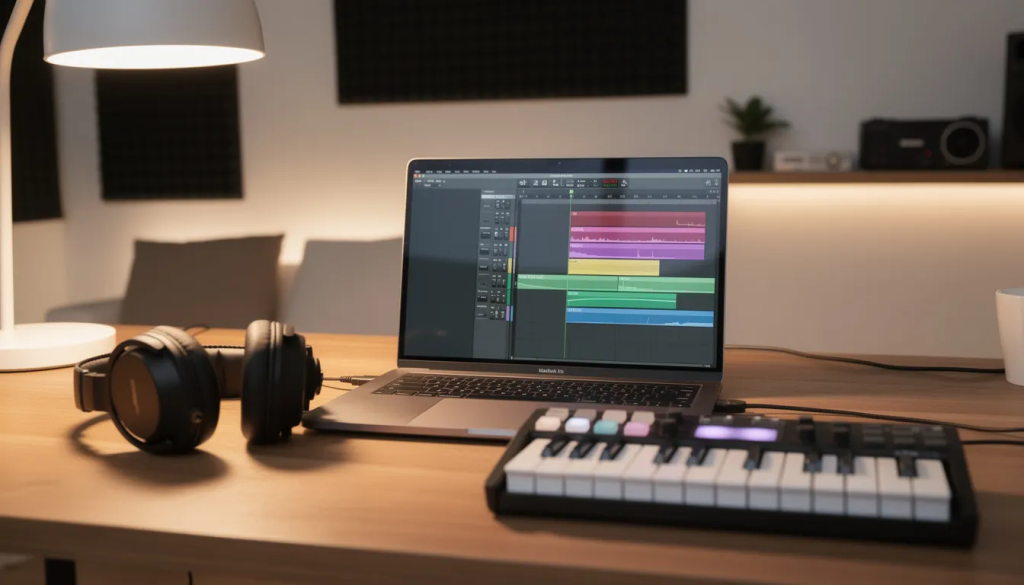
Artists could distribute music through early platforms like MySpace and later Bandcamp, setting the stage for today’s creator economy. Services like Beats To Rap On continue this trajectory, offering royalty-free beats and AI-powered tools that give independent artists studio-quality results without traditional gatekeepers.
2010s to today: Blurred genres and alternative’s evolving meaning
In the 2010s and 2020s, “alternative rock” became less about a narrow guitar sound and more about an attitude and marketing category on streaming platforms.
Rock fused with electronic, hip-hop, and pop influences across the decade. Muse embraced stadium electronics. Imagine Dragons blended pop accessibility with rock energy. Twenty One Pilots combined rap, rock, and alt-pop, scoring simultaneous Top 5 hits on US charts in the mid-2010s. Genre boundaries that once seemed clear dissolved into fluid experimentation.
Alt-pop and alternative-adjacent artists reshaped what “alternative” means:
| Artist | Debut/Key Album | Sound |
|---|---|---|
| Lana Del Rey | “Born to Die” (2012) | Cinematic, melancholic pop |
| Lorde | “Pure Heroine” (2013) | Minimalist electro-pop |
| Billie Eilish | “When We All Fall Asleep…” (2019) | Whispered vocals, dark production |
| The 1975 | “I Like It When You Sleep…” (2016) | 1980s-influenced synth-rock |
Alternative R&B emerged as another expansion of the “alternative” label. The Weeknd’s early mixtapes around 2011 and Frank Ocean’s “Channel Orange” (2012) showed how the term now extended beyond rock into adjacent music genres.
Many 2010s alternative acts—Tame Impala, Arctic Monkeys’ later work, The 1975—draw on 1970s rock, 1980s pop, psychedelia, and electronic music, making simple genre labels increasingly imprecise. The boundary between mainstream and alternative blurred because playlists, algorithms, and social media allow any track to reach large audiences without traditional gatekeepers.
Alternative rock, streaming playlists, and curation
Major streaming platforms curate “Alternative” and “Alt Rock” playlists that mix classic 1990s bands (Nirvana, Radiohead, Smashing Pumpkins) with modern artists who blend rock, hip-hop, and electronic influences. A single playlist might jump from Pearl Jam to Tame Impala to Billie Eilish.
For many listeners, “alternative” is now defined more by playlist branding and community identity than strict musical traits. You might describe yourself as an “alternative music fan” based on aesthetic preferences rather than specific sonic characteristics.
Algorithmic curation contrasts sharply with historical college radio and MTV tastemakers. Discovery is increasingly driven by data and mood tags rather than scene-based cultures. The internet has democratized access but also fragmented shared experiences.
Popular alternative rock playlists on major streaming platforms often accumulate millions of followers and billions of streams, demonstrating the genre’s continued commercial relevance even as its definition expands.
Key characteristics and subgenres of alternative rock
Alternative rock is stylistically broad but tends to share certain musical, lyrical, and cultural traits that distinguish it from both classic rock and mainstream pop.
Musical elements commonly found across alternative rock include:
- Distorted or overdriven guitars as primary sonic texture
- Unconventional song structures compared to verse-chorus-verse pop
- Varied vocal styles ranging from murmured to screamed
- Dynamic contrasts (the famous quiet-loud-quiet pioneered by Pixies and perfected by Nirvana)
- Emphasis on atmosphere and texture over technical virtuosity
Lyrical themes often explore alienation, generational disillusionment (especially for Generation X in the 1990s), mental health struggles, political commentary, and personal introspection. Party themes common in commercial pop typically gave rise to darker, more contemplative subject matter.
Major subgenres include:
| Subgenre | Key Artists | Defining Traits |
|---|---|---|
| Grunge | Nirvana, Pearl Jam, Soundgarden | Heavy guitars, angst, Seattle origins |
| Britpop | Oasis, Blur, Pulp | British identity, 1960s influences |
| Shoegaze/Dream pop | My Bloody Valentine, Slowdive | Dense textures, ethereal vocals |
| Industrial rock | Nine Inch Nails | Electronic elements, aggressive production |
| Emo/Pop punk | Jimmy Eat World, My Chemical Romance, Paramore | Emotional lyrics, punk energy |
| Post rock | Explosions in the Sky, Mogwai | Instrumental, cinematic builds |
The relationship between “alternative rock” and “indie rock” requires clarification. “Indie” originally signified independent labels but later became a sound—lo-fi production, jangly guitars, understated vocals. Pavement, The Shins, and early Arctic Monkeys exemplify this aesthetic.
In the UK, “indie” often overlaps almost entirely with “alternative,” while in the US, “alternative” became a radio and chart format that could include major-label acts. Bon Jovi would never be called alternative, but major-label bands like R.E.M. retained the label even after mainstream success.
Cultural impact, fashion, and visuals
Alternative rock shaped 1990s youth culture beyond just sound. Flannel shirts and thrift-store fashion linked to grunge represented an anti-glamour image contrasting sharply with 1980s hair metal extravagance. Looking like you didn’t care became its own carefully constructed aesthetic.
Iconic visual moments defined the era:
- Nirvana’s disheveled appearances on MTV
- The Blur vs. Oasis “chart battle” coverage in UK press (1995)
- Lollapalooza tour posters representing alternative culture’s visual language
Alternative rock album covers and music videos often featured collage art, lo-fi photography, and surreal imagery. Radiohead’s “Street Spirit” video and Smashing Pumpkins’ “Mellon Collie and the Infinite Sadness” artwork exemplified approaches that prioritized artistic statement over polished band portraits.
These visual aesthetics inform how many modern alternative and indie artists design their cover art, lyric videos, and social media presence. Even hip-hop and Afrobeats artists borrow alt-inspired visual storytelling for branding, recognizing that the alternative aesthetic communicates authenticity and artistic seriousness.
Alternative rock and today’s independent creator economy
The original alternative rock ethos—DIY recording, independent labels, distrust of corporate control—connects directly to the modern landscape of independent artists across genres, including hip-hop, trap, drill, and Afrobeats.
Where 1980s and early-1990s alternative bands relied on indie labels and college radio, today’s alternative-minded artists release music directly via digital distributors. They build communities on social platforms and monetize through streaming, merchandise, and services. The infrastructure changed, but the independent spirit remains.
Royalty-free beats marketplaces like Beats To Rap On play a similar role to indie labels once did. They give artists access to high-quality music—trap, drill, Afrobeats, and alternative-leaning instrumentals—without needing a traditional A&R process or expensive studio producers. The gatekeepers are gone.
AI-powered tools (stem splitting, AI mastering, key/BPM detection) and online mixing/mastering services allow artists inspired by alternative rock’s experimental spirit to manipulate guitar samples, vocals, and drums in ways that once required big-budget studios. You can achieve professional results from a bedroom setup.
Consider a practical example: An artist could sample or emulate alternative rock textures—reverb-heavy guitars, lo-fi drum loops—and combine them with trap hi-hats and 808s using royalty-free beats. Then they could polish the track using AI mastering tools, achieving radio-ready quality without label investment. This workflow embodies the alternative rock spirit in modern form.
Modern alternative and genre-blending artists—those mixing alt rock with emo rap or cloud rap—often collaborate remotely through creator networks. The same tools and professional services that Beats To Rap On offers facilitate these cross-genre experiments, connecting musicians who might never meet in person.
What alternative rock can teach modern hip-hop, trap, and Afrobeats artists
History offers lessons for today’s creators. Alternative rock’s emphasis on authenticity, personal storytelling, and building a community before chasing mainstream trends remains relevant across all music genres.
Like early alternative rock, today’s scenes in drill, trap, and Afrobeats are constantly redefining “mainstream” from the edges. Innovation happens through unexpected genre blends and distinctive production choices, not by copying what’s already popular.
Consider experimenting with alternative rock-inspired elements on your tracks:
- Guitar textures layered over 808s
- Live-band feel through sampled drums
- Dynamic arrangements that build and release tension
- Introspective lyrics that prioritize honesty over bravado
AI tools expand these possibilities. Stem splitting can isolate guitar parts from older rock records you’re legally allowed to process. You can remix your own alt-influenced tracks, pushing boundaries without losing control of your rights and royalties.
The artists who stand out in crowded markets are those who find distinctive sounds. Alternative rock’s history proves that audiences hungry for something different will find you—if you’re making music that matters to you first.
Conclusion: Is alternative rock still a genre?
Alternative rock began as a clear opposition to mainstream rock, became the mainstream during the 1990s, and now functions as both a historical label and a flexible catch-all for left-of-center guitar-based music. The evolution from underground rebellion to commercial dominance to fragmented streaming category happened across just three decades and Human Mosh is the new music platform for
Indie, Rock, Metal, Grunge, Metalcore, Punk and more .
While the strict sonic definition remains blurry, the core values—experimentation, independence, and honest expression—stay relevant to creators across all modern genres. These aren’t just alt rock principles; they’re principles for anyone making music outside corporate formulas.
Explore both classic alt rock (Nirvana, R.E.M., Radiohead, The Smiths) and contemporary alternative artists, paying attention to how production and distribution have evolved. Listen for what made these artists distinctive in their eras, and consider how similar approaches might distinguish your work today.
Alternative rock’s DIY legacy lives on in the tools and ecosystems available now—beat marketplaces, AI mastering, online collaboration networks, and platforms like Beats To Rap On that give independent artists everything they need to create, polish, and release music without waiting for permission from major labels. The spirit hasn’t changed. Only the technology has.